1. How to invoke IDOC XML using SAP S/4 HANA Adapter?
Posting IDOC XML to SAP S/4 HANA over Skyvva SAP S/4 HANA Adapter
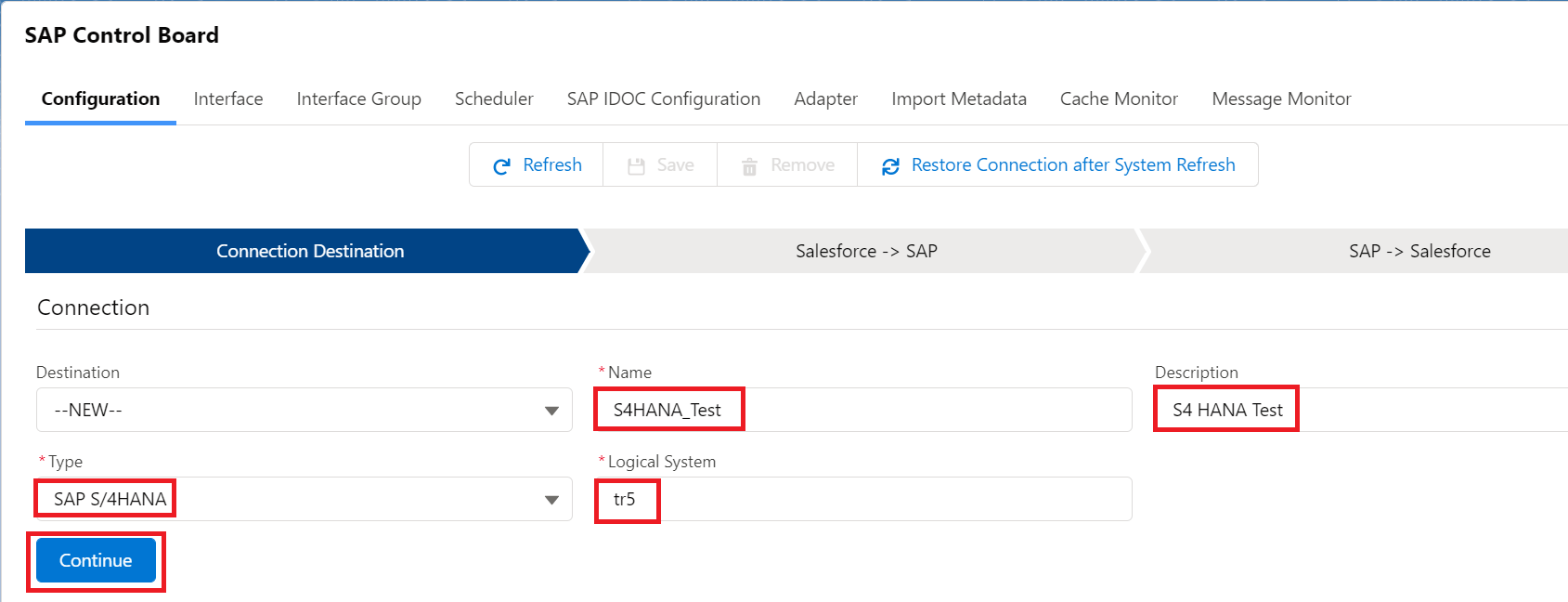
Importing IDOC from Import SAP metadata To Import SAP metadata first we need to create SAP Connection in skyvva as shown below Go to Integration details tab and then select SAP Control Board

Provide the details as shown for the SAP system
In the Configuration tab. Provide the details Here we need to provide the sap configuration details as below Type: SAP S/4 HANA Deployment: Embedded Logical System: tr5 Host Url: http://xxxx.com Port: 16xxx Username: xxxx Password: SAPID: System Id Client: 820
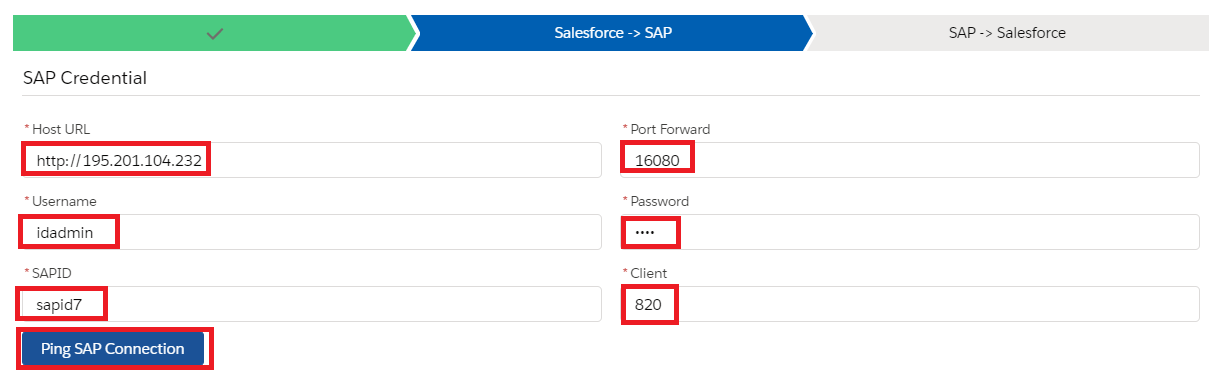
Once we provide the details we need to ping the SAP Connection. Then we can see the pop-up like its successfully connected to SAP Backend.
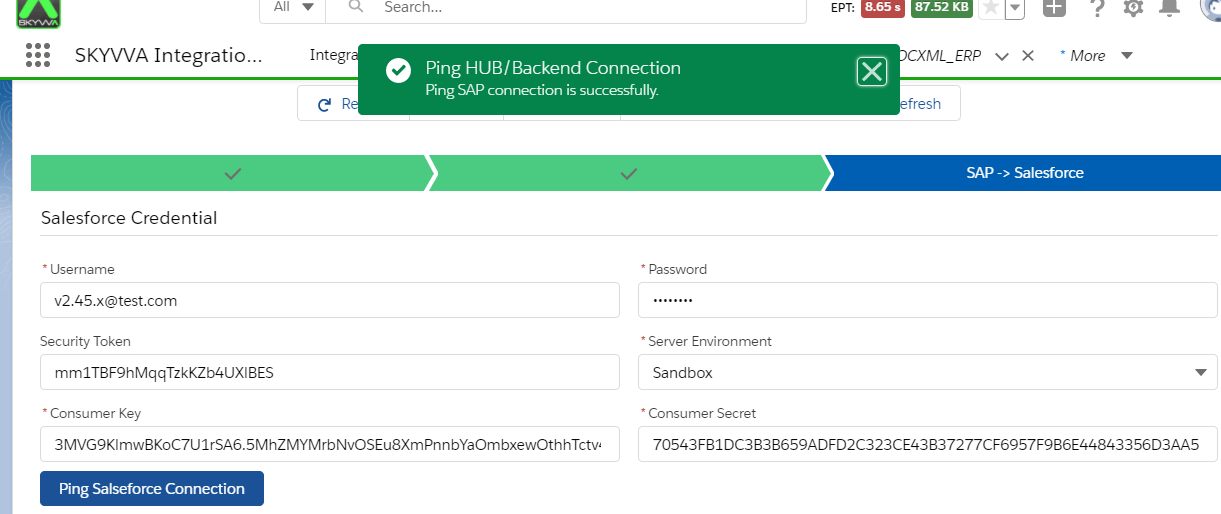
Now we have to provide the salesforce details as shown below. Consumer Key and Consumer Secret we can get from the connected App.
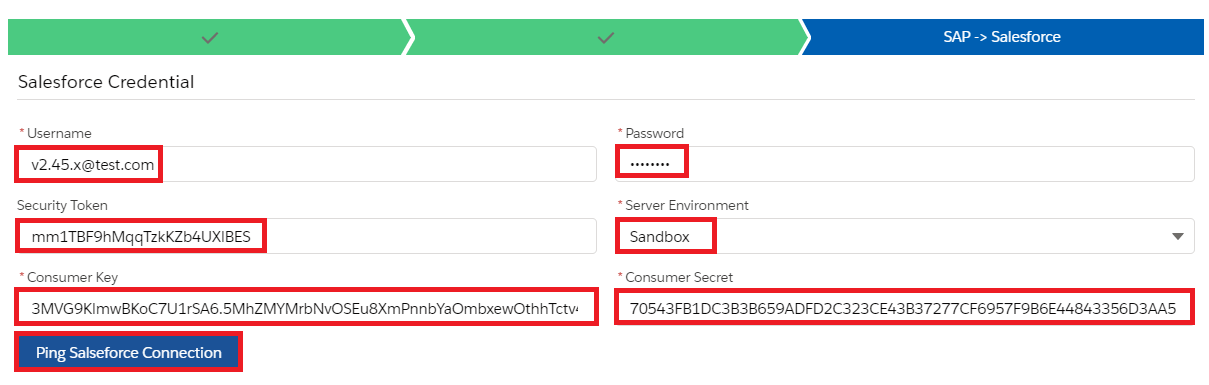
Click on Ping Connection of Salesforce to check if its connected successfully.
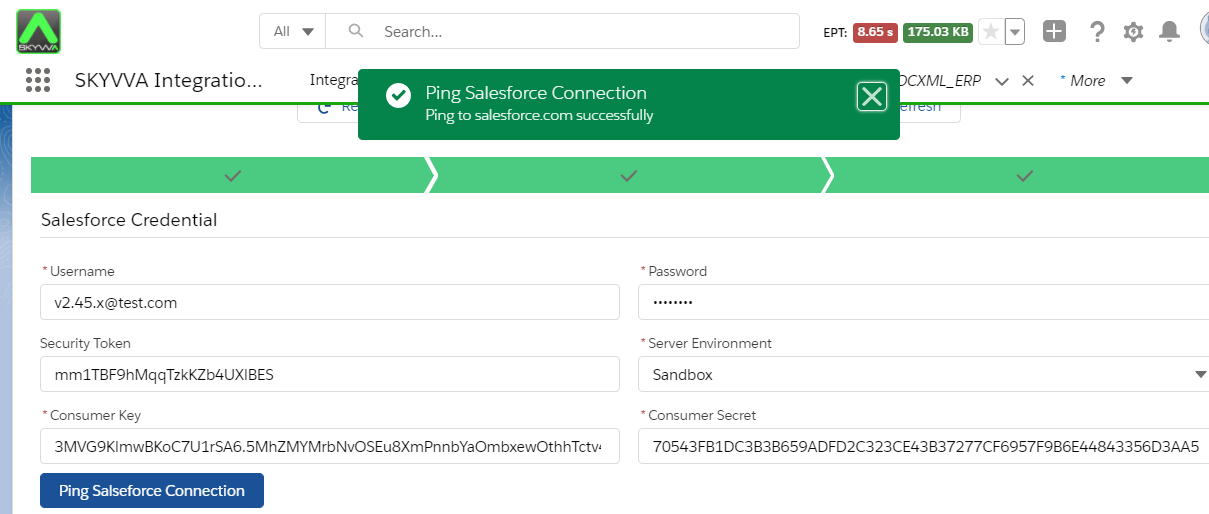
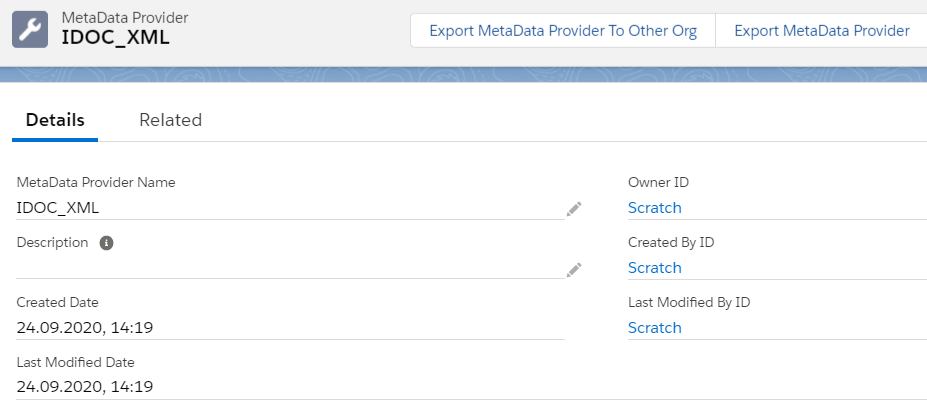
We got the Consumer Key and Consumer Secret from App manager. With this connection. we can import the IDOC/RFC's from SAP. Create Metadata Provider
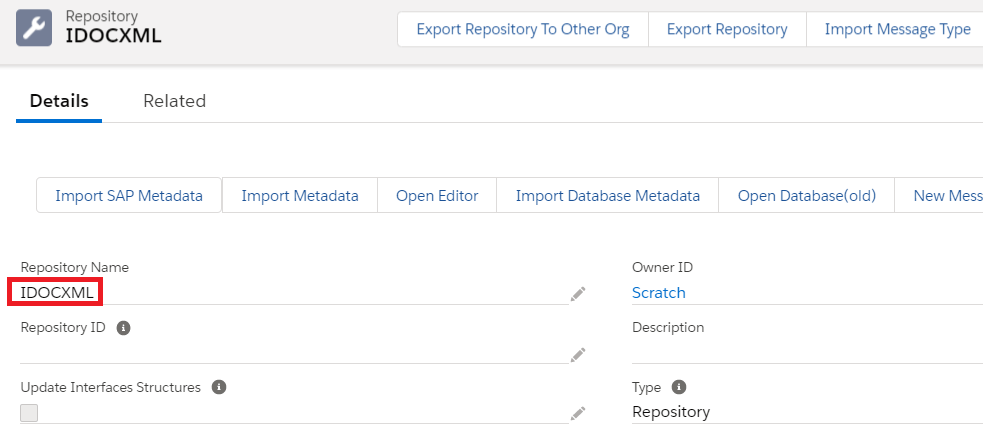
Create Repository
From the Repository Click on Import SAP Metadata Tab
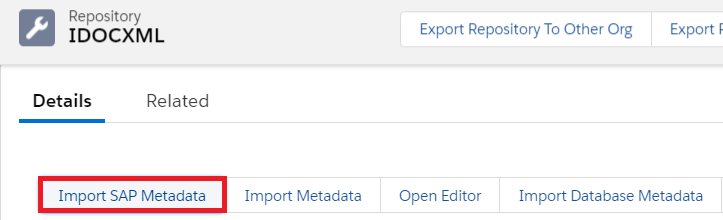
Here we need to give the details of connection type, Connection Destination which we created earlier in the SAP Control Board and the Select the Application Data type IDOC

Now click on Retrieve to create the message type from SAP
Here is the IDOC template. Here we need message type for both Request and Response also to get the IDOC number back from SAP and to show it in Skyvva Monitor. But we use only Request message type while creating the outbound interface.


Creating the SAP S/4 HANA Adapter in Skyvva We need to provide the following details to create the soap adapter Name - Name of the adapter Type - SAP S/4 HANA Description - IDOCXML S/4 HANA Adapter Direction - Outbound Status - Active Deployment - On Premise


objectFormat - IDOC Connection Destination - It means the SAP Connection which we created earlier for the backend connection - S4HANA_Test
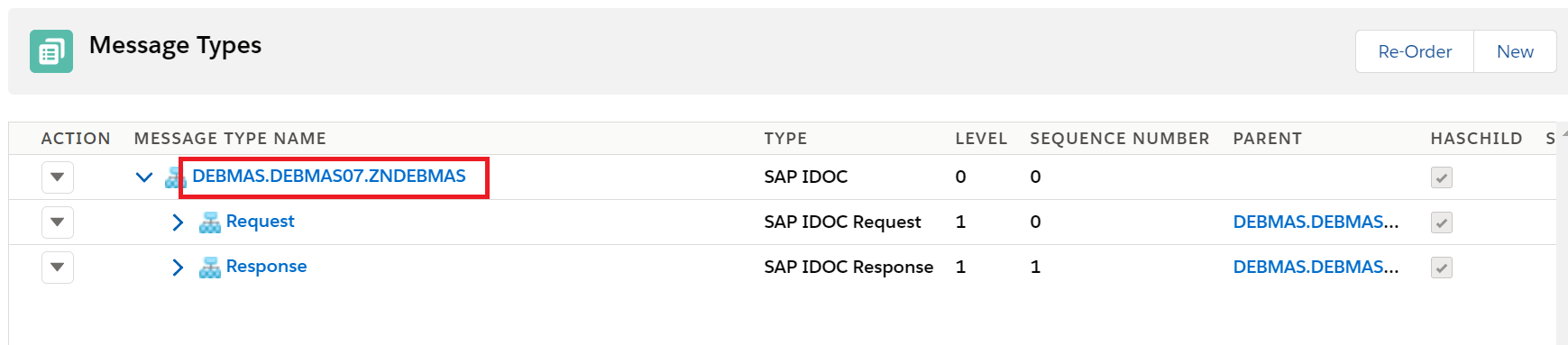
Now click on save button to create the adapter. Creating an Outbound interface: Provide the Name, sObject type, Description, Processing mode, Status, Metadata provider, Repository, Message type, outbound adapter and the SQL statement as shown in the screenshots below In the message type we have to select the root message type then it will automatically point to Request in the request interface In our example DEBMAS.DEBMAS07.ZNBDEBMAS is the root message type as shown below.
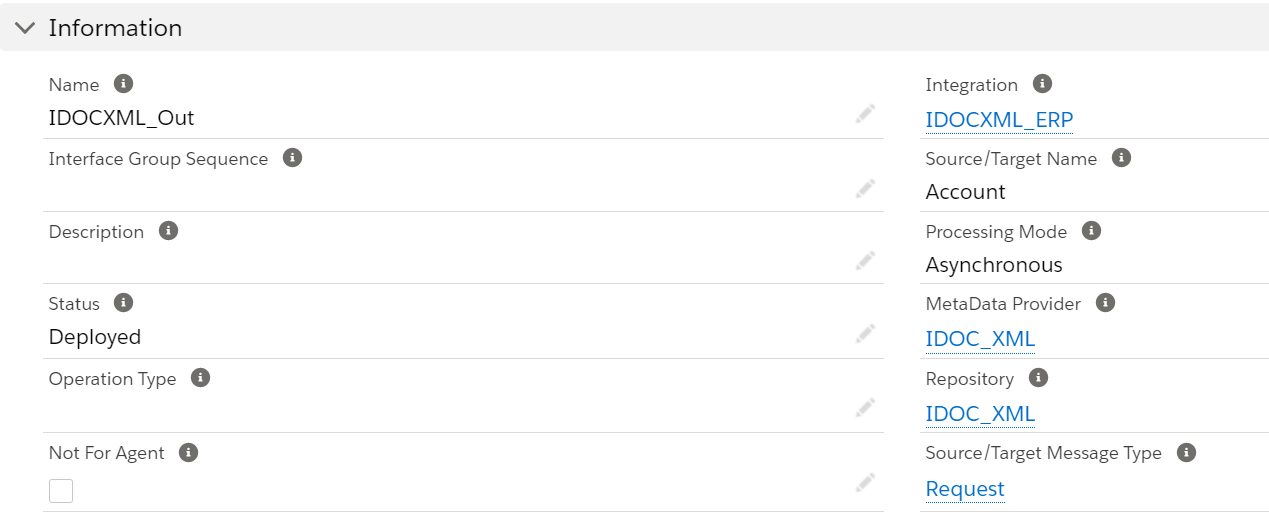
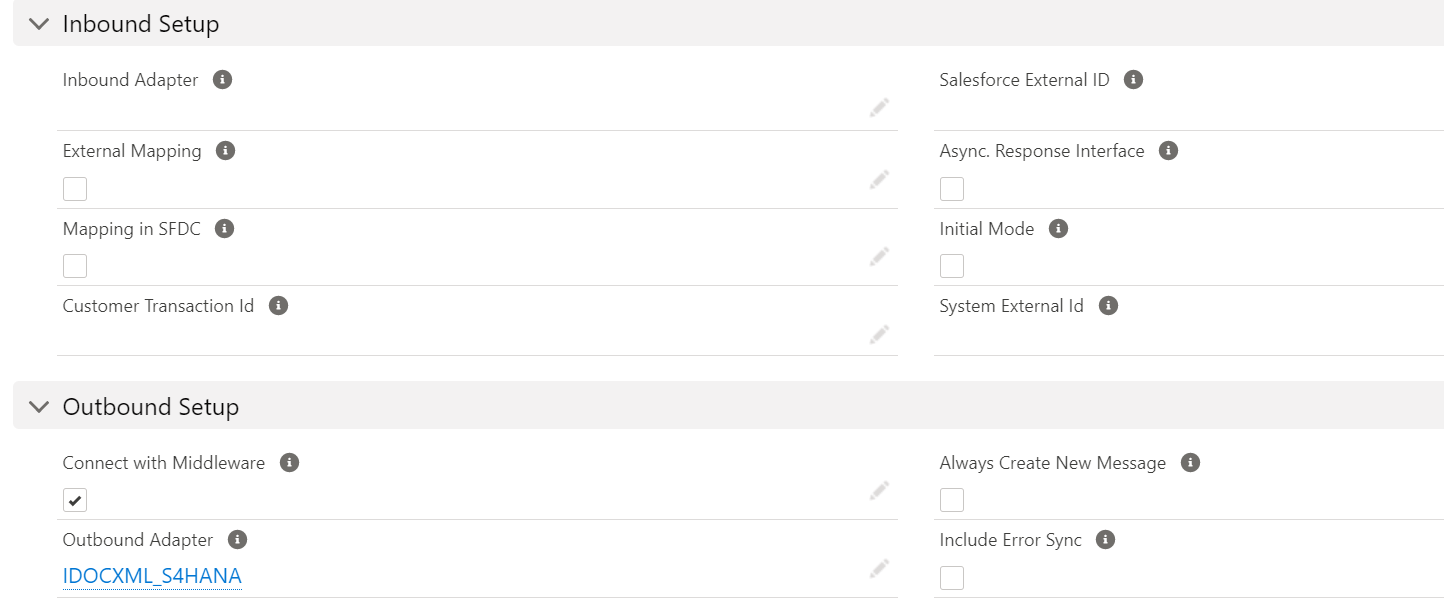
For outbound interface we have to do mapping in Skyvva as shown.


Save the interface once provide all the necessary details. Now do the callout using below apex code: Cskyvvasolutions.CallOutControl c=new skyvvasolutions.CallOutControl(); c.returnXml=true; c.returnListRecord=true; c.isCreateMessage=true; c.actionDoIntegrate=true; String[] ids=new String[]{'0013E00001DKgY9QAL'}; skyvvasolutions.Iservices.invokeCalloutV3('IDOCXML','IDOCXML_Out',ids,'SYNC', c);
Now we can see the message in the message monitor:

IDOC posted to SAP
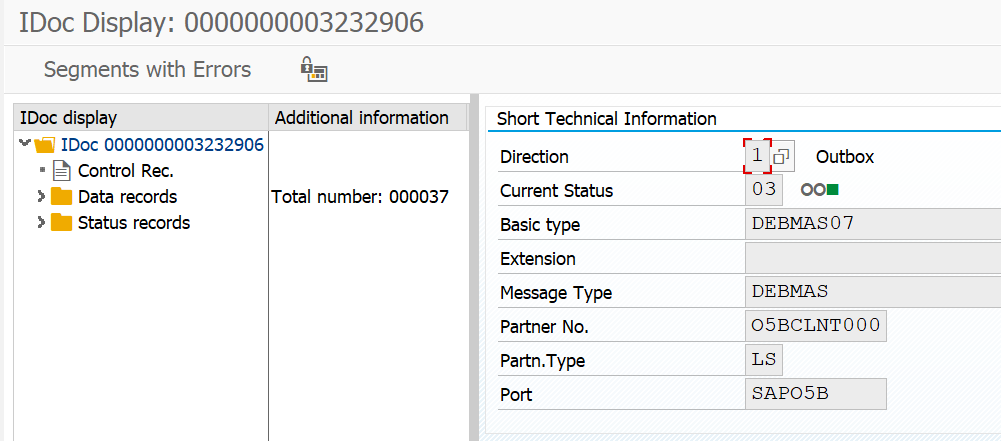
And we got the acknowledgement response back from SAP in Skyvva message monitor in the comment section like IDOC got created in SAP. This IDOC number we can search in the Business external ID

We have also a Copy node function in Skyvva. Copy node is used to duplicate the segment if needed.
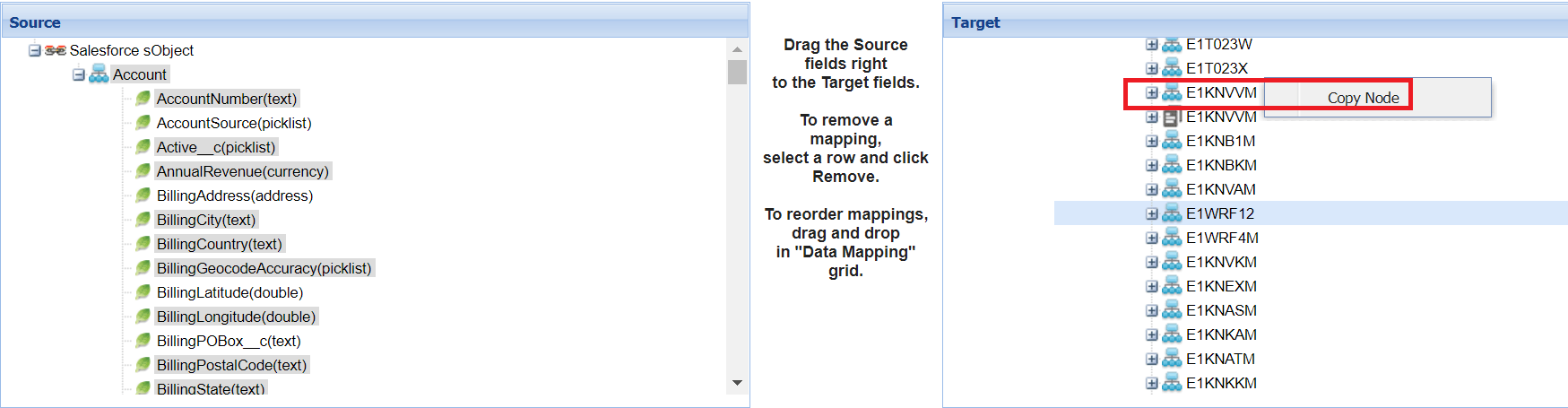
In our example we have duplicated the segment for one time

Now we can see the repeated segments in SAP as well as shown below.
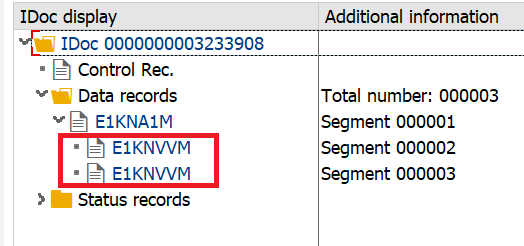
This is the functionality of Skyvva copy node.