1. When to use synchronous, batch or bulk interface?
Learning Objectives:- This unit describes:-
- Different mode supported for inbound processing?
- It explains when and why these modes will be used.
- It also explains how to do the configuration.
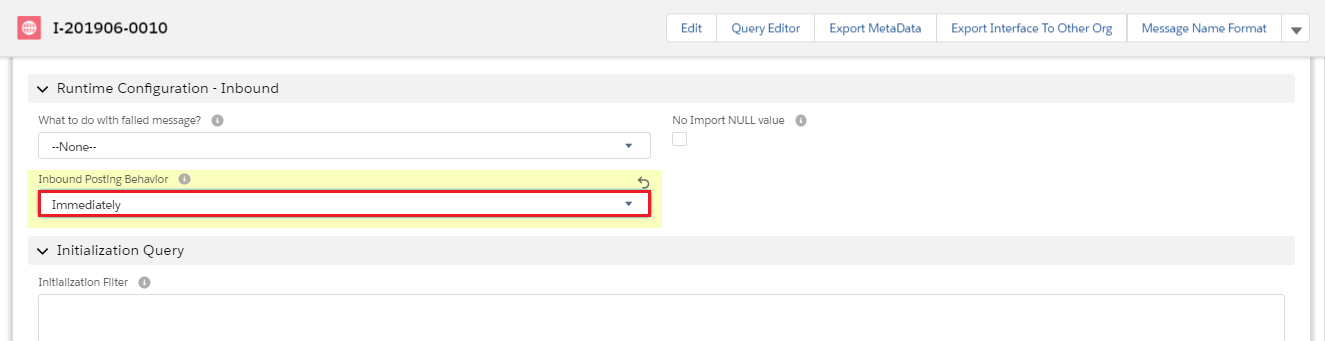
Introduction:- To help meet customer requirement SKYVVA is committing to provide a different mode which supported for the inbound interface. With the varieties of modes, you can integrate all kinds of data into salesforce. This tutorial enables you to know the way to use and why you need these modes. You can integrate data in different modes including Synchronous, Batch Processing, Bulk Processing(SKYVVA Bulk and SFDC Bulk). SKYVVA mode explanation:- As for this section, you will understand each mode's functionality. All SKYVVA modes processing are working differently. In this tutorial, we’ll discuss when and why these modes use. Synchronous:- Synchronous mode is called when integrate then create real-time messages along with posting each object. You can use this mode when you want to integrate a small amount of data. The configuring of Synchronous:- To get a better understanding of the Synchronous mode, you first need to know how to configure the posting behavior. The following screenshot below shows the way to configure this mode. Enter the interface detail page and scroll down to Runtime Configuration-Inbound section then click on Inbound Posting Behavior picklist to select immediately.
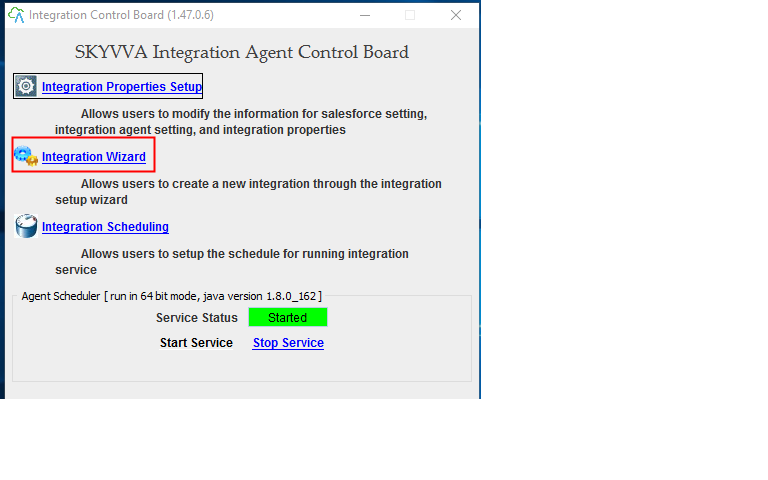
Integrate from another system:- Assuming you already have created interface since this part will be a focus on integrating from Agent as an example. To integrate from Agent, please run Agent-UI and more steps as following:
- After running the Agent-UI, the Integration Control Board will popup then you have
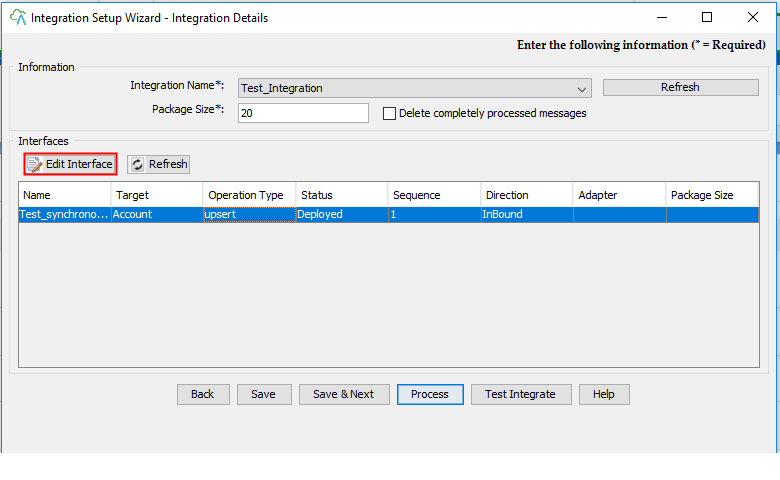
- Select the existing integration and interface:-
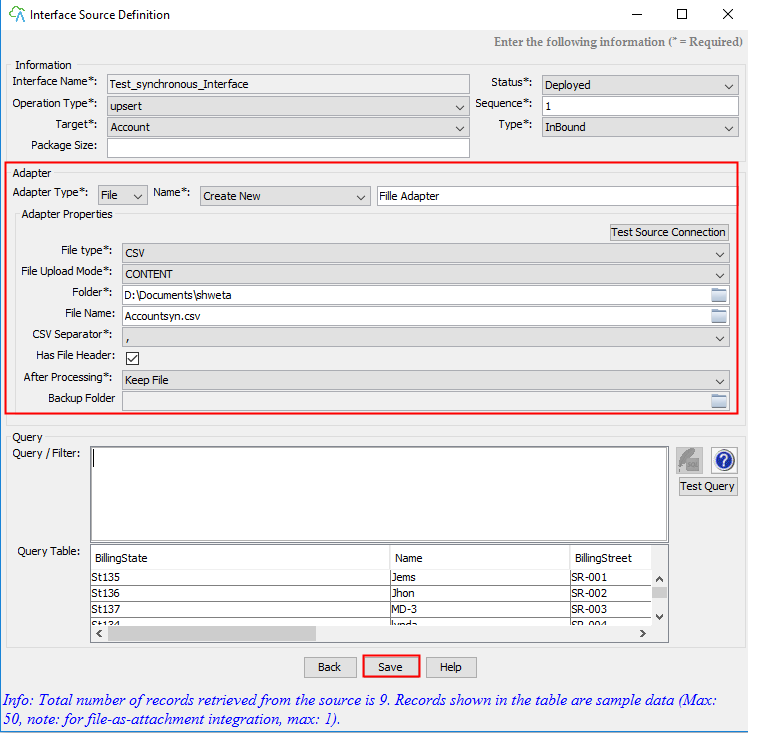
- After selecting the interface you will be land on Interface Source Definition a place where you can configure the adapter. To create adapter please click on this link (How to create adapter in Agent). After creating the adapter, you can test the Query to see the data and then save it.
To schedule:- To be able to integrate your data you can either process them manually or use the scheduler. This section will show how to use the scheduler.
- Go back to Agent Control Board and then select:-
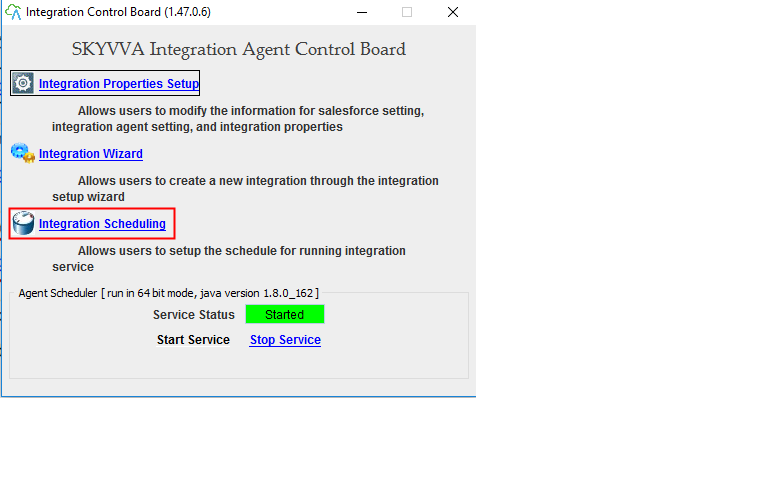
- Select the name of Integration and interface along with Integration Mode then turn

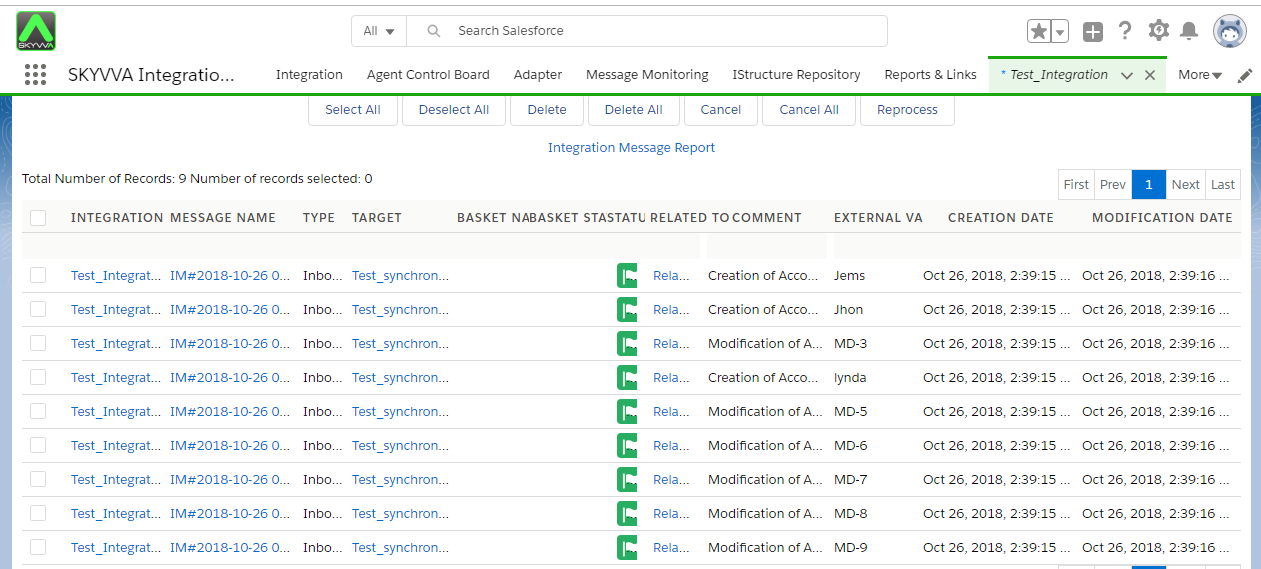
- Enter Salesforce and go to Message Monitoring Board to check the result:-
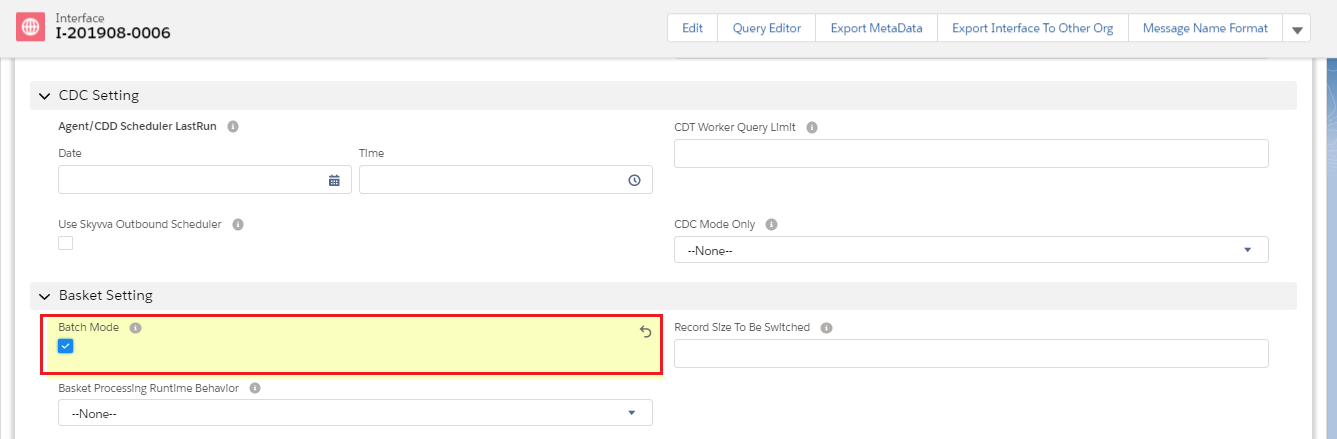
Batch Processing:- Batch Processing is one of important mode in SKYVVA, which enable you to integrate your data into Salesforce. Batch processing uses for running a batch job. It has more capability than synchronous and you can check job monitoring. If records are more than 200 but less than 5000, then we use batch processing. It can store many records in one batch, and you can set a time interval in batch processing scheduler of SKYVVA to run at any time that we want. The configuration of Batch Processing:- To learn how to configure batch-processing mode, see the screenshot below:
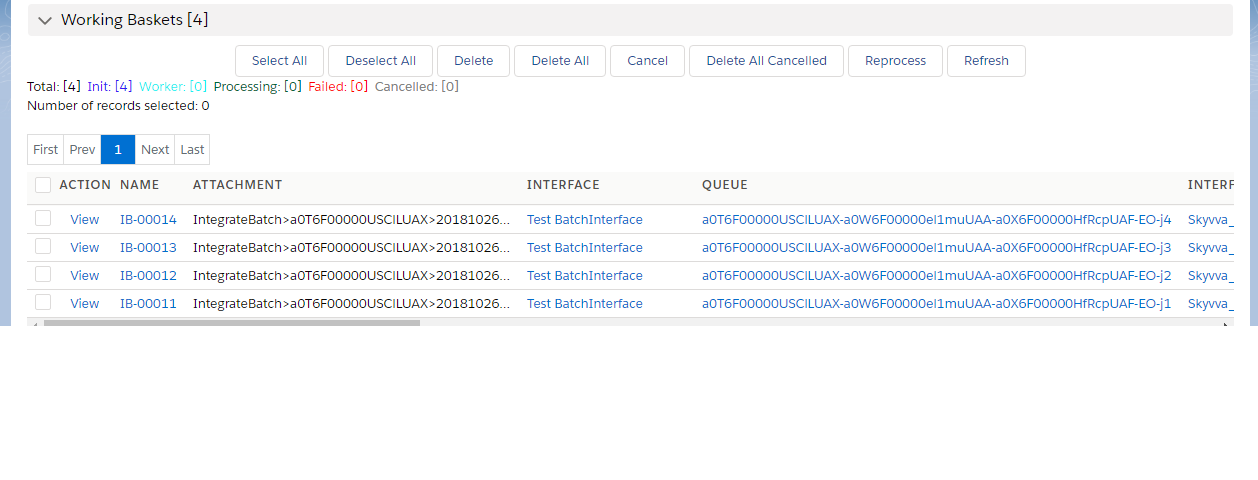
Integrate from another system:- As an example, this tutorial portrays the integration from Agent to Salesforce. However, the process of integration is similar to Synchronous. Please kindly check out content 2.1.2 if you want to know how to integrate from Agent. To check result:- All the data, which you had integrated, are storing in Working Baskets. If you want to process them, you can set the schedule to run or manually process them.
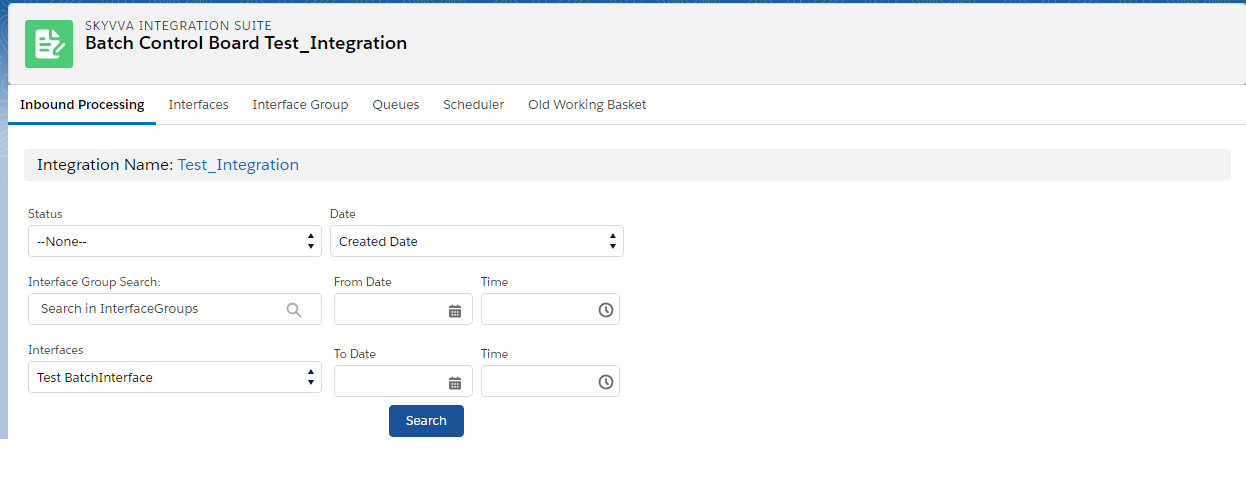
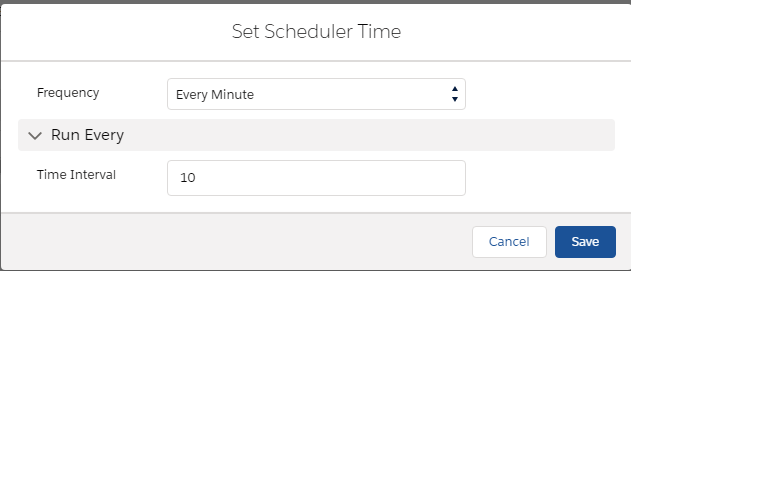
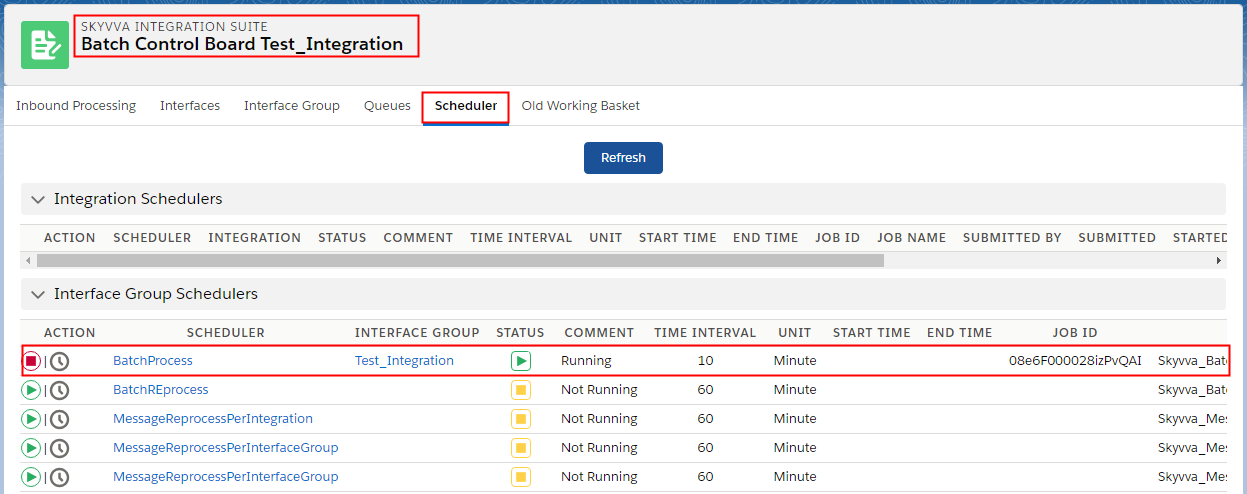
To schedule:- This step is showing you how to set the schedule to run the attachments. To set schedule you can select on Scheduler Tab and set the time as your desire.
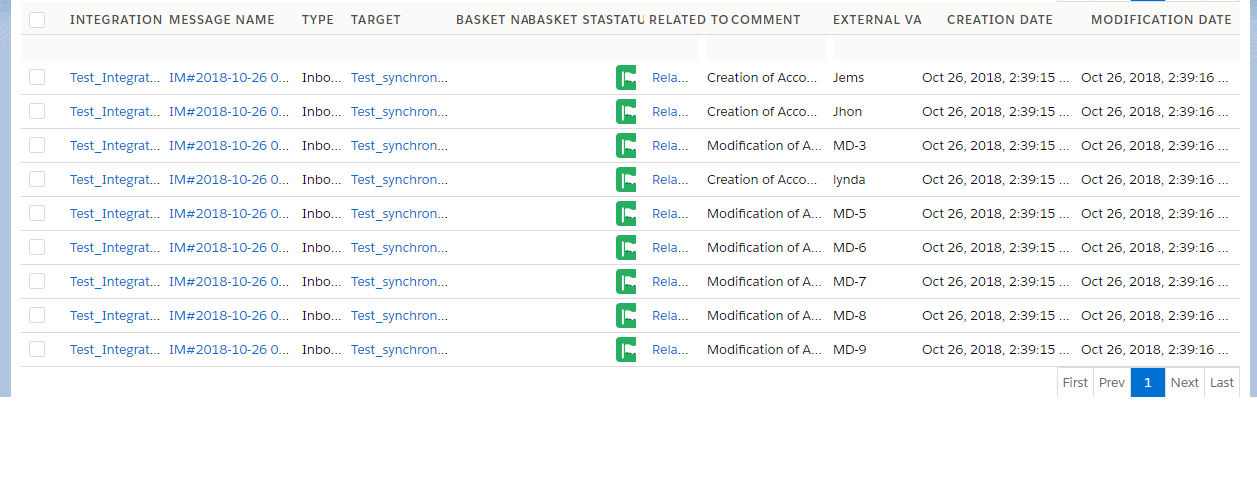
- The final step is to monitor the message in the Message Monitoring Board.
Bulk Processing:- Bulk Processing uses for running attachment as batch too. It has more ability than synchronous, batch and running with huge records at high speed. The Records have more than 5000, so you use them with bulk processing. It can contain many records in an attachment, and you can set a time interval in bulk processing scheduler of SKYVVA or Agent Scheduler to run anytime that you want. However, there are two options of bulk processing which is including SKYVVA bulk and SFDC bulk. The following section will be explained more detail about these two modes. Prerequisite Before configuring Bulk Interface Processing, you have to know about the parameters:
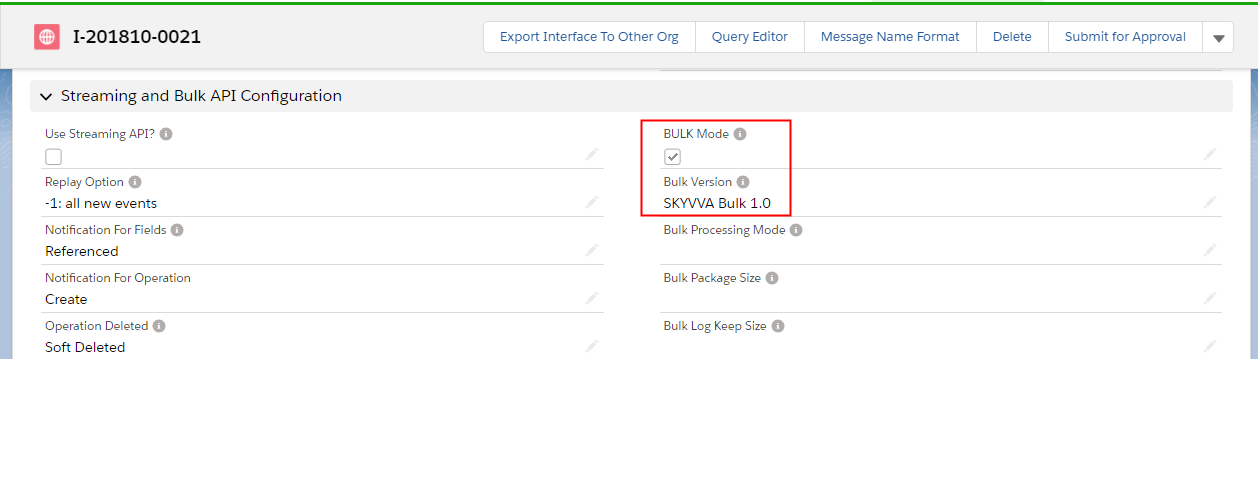
- BULK Mode: Check this flag if you want to run interface in a bulk mode using Salesforce BULK API.
- Bulk Version: SKYVVA support SFDC pure bulk mode in version 2.0 then we have our own SKYVVA bulk mode. This uses Skyvva workflow and mapping and thus it is more powerful but slower than pure bulk API technique from salesforce.
- Bulk Processing Mode: These fields indicate two modes which are support with bulk version 1.0 and bulk version 2.0 only parallel mode is supported. So the value depends here on the selection of field bulk version. For example, When we want to use "serial" we should select bulk 1.0.
- Bulk Package Size: This parameter determines how many records are split into Bulk data size. If your Message contains 10.000 records and the value for this parameter is 1000 so you will get 10 bulk data set in Salesforce.
- Bulk Monitor Keep Size: The number of bulk execute logs to be kept.
- Bulk Sch Frequency: This is the schedule time-frequency for bulk scheduler on the interface.
- Bulk Integrate Time Interval (minute): The interval (minutes) used for integrating bulk job scheduler. For example, if its value is 10, then the integrate bulk scheduler will be run every 10 minutes.
SKYVVA Bulk:- SKYVVA Bulk is slow but very powerful, it allows you to do business mapping using our mapping tool and formula. Likewise, you can use the SKYVVA workflow to validate the data before posting. You can use SKYVVA Bulk mode with both Bulk-processing modes, which is Parallel and Serial. The default value is Serial. The configuration of SKYVVA bulk version:- To be able to use SKYVVA bulk mode you have to enter Interface page detail and scroll down to Streaming and Bulk API Configuration section then checkbox on BULK Mode along with choosing Bulk Version.
Integrate from another system:- As an example, this tutorial portrays the integration from Agent to Salesforce. However, the process of integration is similar to Synchronous. To monitor the result:- Enter Bulk Control Board to check the attachments. To understand how to use Bulk Control Board, please check this link: “How to use Bulk Control Board”.
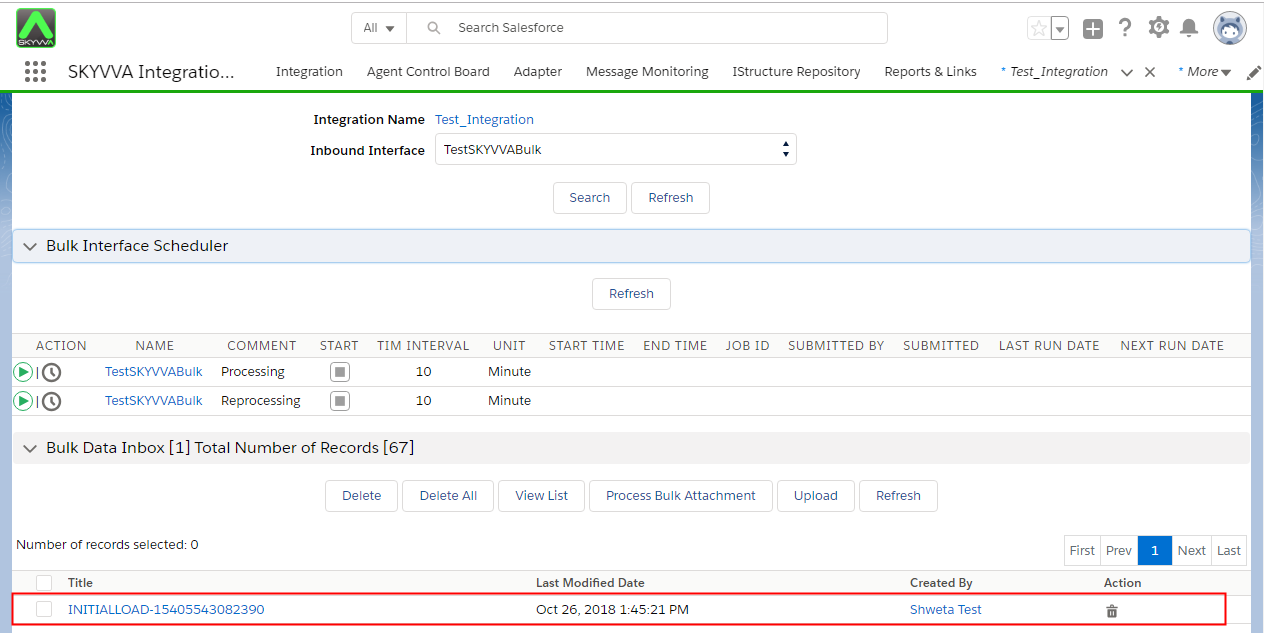
To schedule:- This step is showing you how to set the schedule to run the attachments. To set schedule you can follow this tutorial (Overview of SKYVVA Scheduler). SFDC Bulk:- We support SFDC pure bulk mode in version 2.0 that is very fast but cannot use the SKYVVA mapping tool to do business data mapping. On the other hand, SFDC Bulk requires the data has to be mapped already on the sender side and doing the additional mapping to enrich the business logic is not possible using SKYVVA mapping. This mode will work with both processing mode, Parallel and Serial, for version 1.0. Version 2.0, you can only use with Serial mode processing. The configuration of SFDC bulk version To be able to use SKYVVA bulk mode you have to enter Interface page detail and scroll down to Streaming and Bulk API Configuration section then checkbox on BULK Mode along with choosing Bulk Version.
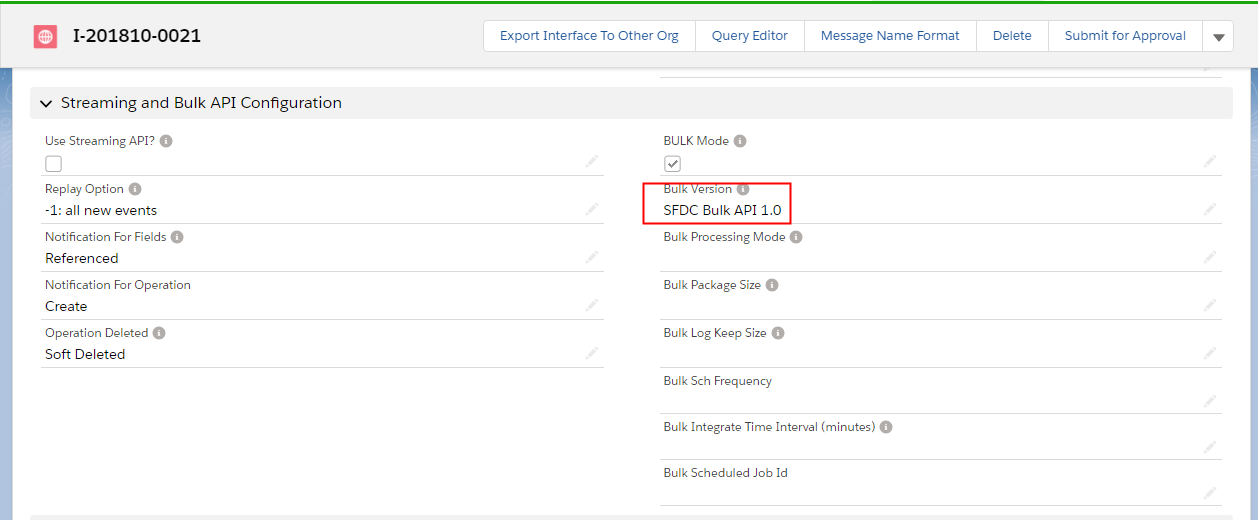
When you check this flag, it means you activate the bulk processing and your data will be integrated from Agent. Note: When you do a mapping, you have to use the requirement field as external Id otherwise, this SFDC Bulk will not work. Integrate from another system:- As an example, this tutorial portrays the integration from Agent to Salesforce. However, the process of integration is similar to Synchronous.